




Rooms That Breathe, Spaces That Soothe

Step into a refreshing approach to living as we explore biophilic design ideas for a soothing, stylish home, weaving daylight, greenery, honest materials, and sensory calm into rooms that truly care for you. From sunlight rituals to plant care routines and water’s hush, you’ll gather adaptable suggestions, heartfelt stories, and practical checklists. Imagine opening your door to air that feels cleaner, textures that invite touch, and light that guides your day. Stay to discover beautifully simple changes, and share your own discoveries with our community.

Light, Air, and Views that Restore

Begin by shaping the fundamentals that quietly determine how you feel each day: thoughtful daylighting, generous airflow, and sightlines to life outdoors. With a few intentional moves, you can lift mood, sharpen focus, and lower stress without adding clutter or chasing trends. Real homes prove small edits deliver generous calm.

Natural Materials with Modern Poise

Choose materials that feel alive to the touch yet work confidently with contemporary lines. Wood, stone, clay, and plant-based fabrics bridge comfort and clarity, helping rooms read calm rather than cold. Prioritize low-VOC finishes, repairable surfaces, and subtle grains. Over time, gentle patina tells stories that synthetic glosses can never convincingly whisper.

Wood That Ages Gracefully

Opt for responsibly sourced oak, ash, or walnut with matte finishes, letting grain remain visible. Small accents—edge details, rounded profiles, and untreated undersides—invite hands to linger. A couple restored an old maple table, oiling it monthly while sharing tea; they now describe scratches as a timeline of laughter, recipes attempted, and storms weathered indoors together.

Stone, Clay, and Earth Underfoot

Stone thresholds cool bare feet and slow busy minds, while clay paint softens glare with a velvety hush. Consider slate by an entry, limewash in a study, or terracotta planters that echo soil. The resulting palette supports plants and textiles, creating balance where light, shadow, and touch cooperate, making daily chores feel pleasantly unhurried and grounded.

Plant-Based Textiles that Breathe

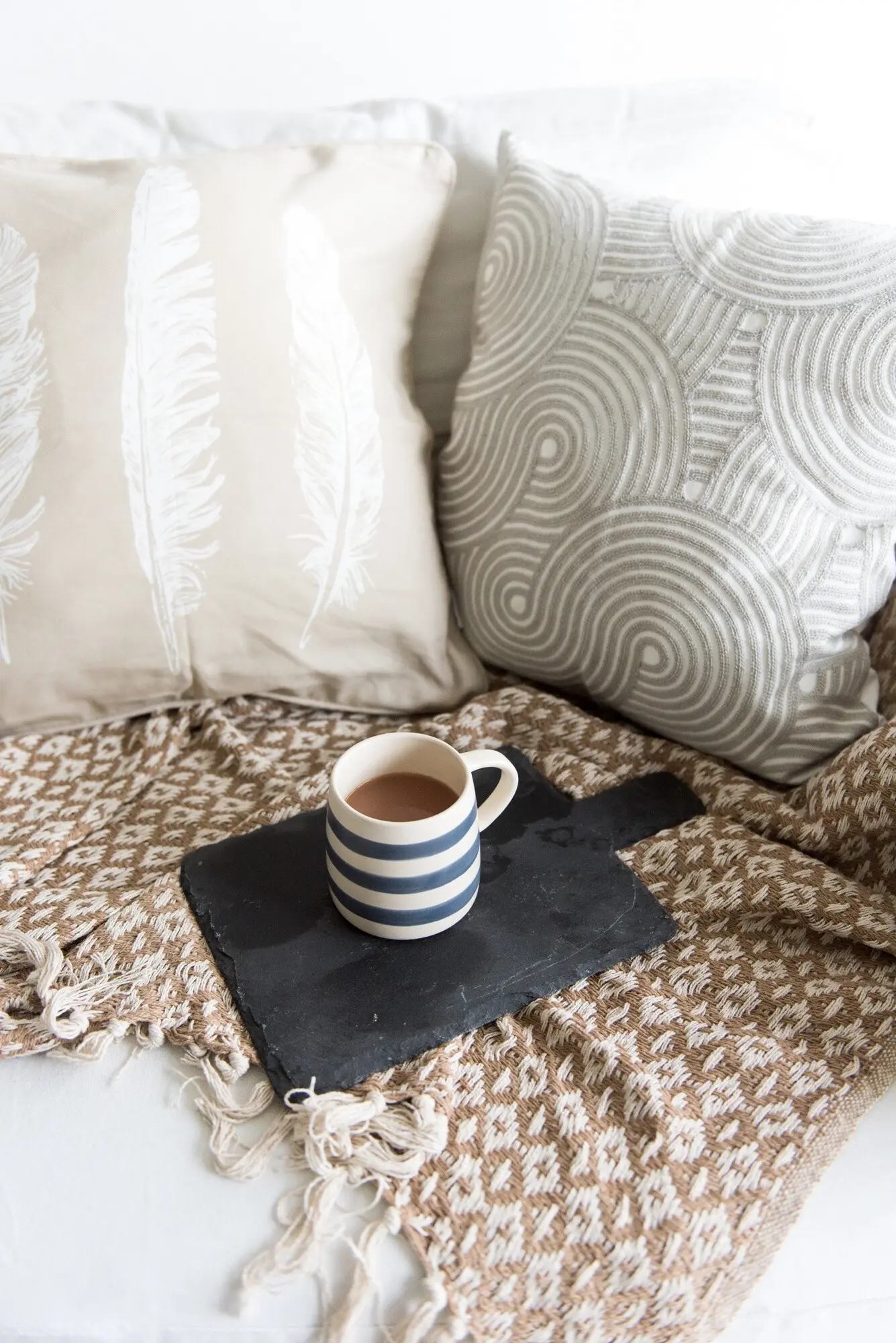
Choose linens, wools, and cottons that regulate temperature and invite seasonal layering. Texture matters: slubs and weaves scatter light and add depth without clutter. Replace a synthetic throw with undyed wool and notice how evenings read calmer. Washable slipcovers and sun-friendly drapery extend life, and thoughtful care deepens appreciation rather than fueling another purchasing cycle.

Green Companions that Thrive Indoors

Live plants can do more than decorate; they signal care, track seasons, and reward attention with growth. Focus on right plant, right place, and simple routines that outlast busy weeks. Select species that match your room’s light and humidity, and cluster pots for microclimates that help leaves flourish with less effort and more visible joy.

Matching Plants to Microclimates

Observe where sun lingers, which corners hold damp air, and how temperatures shift overnight. Snake plants endure dry offices, while ferns appreciate bathrooms’ soft humidity. A reader moved a drooping philodendron two meters closer to a bright wall and watched new leaves unfurl within days, proving placement matters more than expensive pots or trend-driven varieties.
Layered Greenery that Guides the Eye

Compose heights like a small forest: trailing tendrils high, medium foliage at eye level, sturdy forms on the floor. This rhythm calms scanning eyes and creates natural wayfinding between rooms. Pair a tall ficus with airy asparagus fern, then bridge the gap with a tabletop pilea. The grouping reads intentional, nurturing both balance and playful curiosity.

Care Habits You’ll Actually Keep

Attach plant care to existing rituals—water after Sunday coffee, rotate pots during weekly vacuuming, wipe leaves when you change bed linens. Use a simple moisture meter rather than guesswork, and log notes on your phone. Progress, not perfection, builds confidence. Miss a week? Prune, repot if needed, and celebrate resilience as your green companions rebound steadily.


Water, Sound, and Scent: The Quiet Orchestra

Gentle multisensory cues invite the body to exhale. Soft water murmurs, acoustic layers, and authentic aromas shape a backdrop that steadies attention and loosens muscle tension. Think subtlety over spectacle. A small tabletop fountain, wool rugs, and sprigs of rosemary will often outperform gadgets, producing moments that feel immediate, honest, and pleasantly unmanufactured.

Patterns, Palettes, and Gentle Geometry

Echo nature’s structures without copying them literally. Curves, fractal-like repeats, and mineral palettes persuade the eye to rest and wander in healthy balance. Choose colors and forms that recall coastline mornings, forest understories, or desert dusk. Subtle references build sophistication, while bold motifs appear sparingly, allowing texture, light, and movement to carry the conversation.

Curves That Invite Flow

Replace sharp corners where possible with softened edges, arched shelves, or oval tables that guide circulation like a meandering path. Even one curved element can loosen a rigid room. A narrow hallway gained ease after swapping a square console for a rounded bench, reducing bumped hips and subconscious bracing with every rushed morning departure.

Colors Borrowed from Landscape

Build palettes from lived memories: the gray-green of river stones, the honey of late summer grass, the umber hiding in old bark. Test large samples in changing light before committing. Readers often discover warm neutrals soothe screens’ blue glare, while measured contrast keeps rooms lively, protecting the line between peaceful and sleepy from ever blurring.

Art and Artifacts with a Living Backstory

Curate pieces that reference place: botanical sketches, pressed leaves, hand-thrown ceramics, or beach glass in a shallow tray. Stories matter. A child’s twig sculpture framed above a desk can eclipse costlier prints, sparking gratitude with every glance. Rotate displays seasonally to refresh attention, and invite friends to share their finds during gatherings or message threads.

Layouts, Rituals, and Everyday Restoration

Design for how you truly live, not how a catalog arranges chairs. Balance open sightlines with sheltered corners so you can alternate between connection and retreat. Build small rituals—watering, airing, pausing by a window—that stabilize mood. Reduce visual noise, tame cords, and let natural cues prompt healthier rhythms across mornings, work sprints, and evening unwinding.

A Corner for Quiet Return

Claim a nook for decompression: a supportive chair, soft throw, low plant, and view to sky or street life. Keep a notepad for loose thoughts and a small tray for phone and keys. Returning here nightly reinforces safety and consistency, so rest begins before sleep, and clarity greets you again when dawn brushes the sill.

Taming Distraction with Nature Cues

Instead of strict timers, let sunlight and gentle sounds mark phases. Open blinds to start work, water a plant at midday, and close drapes to signal wrap-up. This choreography feels kinder than alarms yet equally reliable. Share what works for you in the comments so others can borrow cues and adapt routines to unique homes.

Community, Sharing, and Small Experiments

Biophilic changes become durable when shared. Swap cuttings with neighbors, trade surplus pots, and post before–after photos to inspire friends. Subscribe for upcoming checklists and seasonal prompts, then reply with your results. Small trials—rearranged chairs, new herbs, brighter walls—teach faster than perfection, transforming spaces through curiosity, patience, and a growing sense of collective care.