
Comfort That Looks As Good As It Feels
Today we dive into Ergonomic Furniture Planning for Relaxed, Beautiful Interiors, translating measurements, posture science, and sensory detail into rooms that feel intuitively supportive and effortlessly beautiful. Expect practical checklists, human stories, and adaptable ideas you can try today. Share your questions or photos; we’ll respond with thoughtful guidance tailored to your space and the rhythms that make your everyday life uniquely yours.

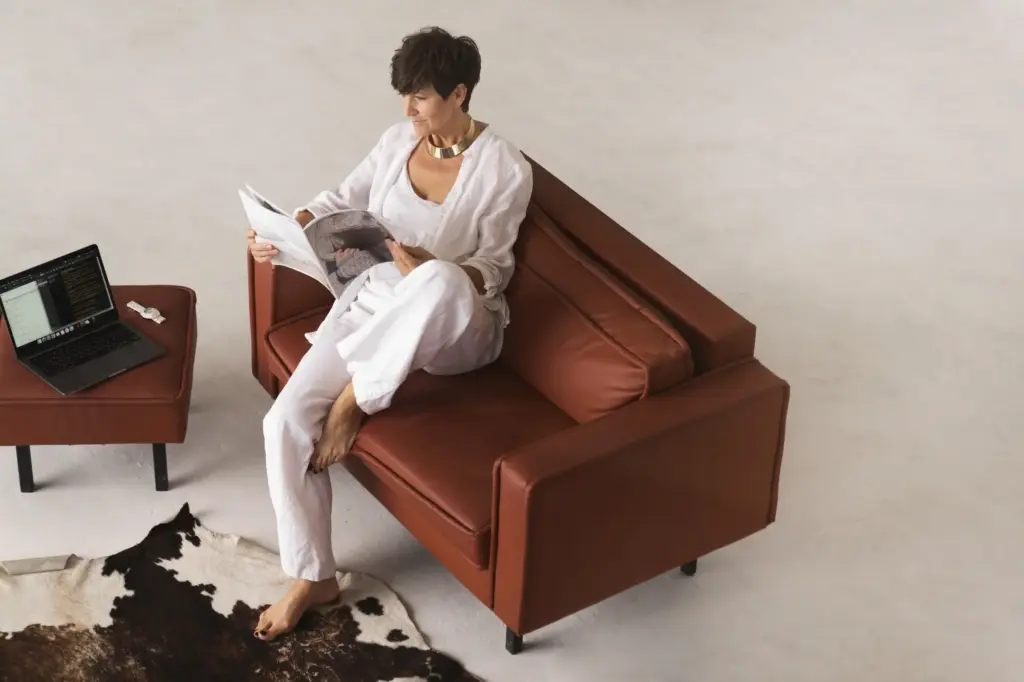
Human-Centered Fit: Proportions That Hug Your Body
Seating Angles That Keep Energy Flowing
Explore backrest angles between 100 and 110 degrees that open the chest without slumping, seat pans with a slight forward tilt for hip comfort, and feet grounded for stable circulation. I refined a reading nook by shifting two degrees and adding a footrest, which transformed fidgeting into lingering satisfaction.
Heights That Respect Reach and Sightlines
Set desk surfaces near 25 to 30 inches for most seated work, counters around 36 inches for prep, and standing perches near 42 to 44 inches. Keep monitor tops at relaxed eye level. Coffee tables thrive around 16 to 18 inches, smoothing gestures, snacks, remotes, and casual laptop sessions.
Supportive Surfaces Without Sacrificing Beauty
Combine medium-density foams with breathable weaves, rounded edges that spare shins, and stable bases that resist wobble. I love subtly convex chair backs, radius-softened oak, and linen-blend slipcovers: they age gracefully, welcome bare skin, and clean easily, preserving elegance while quietly protecting posture across countless everyday moments.
Calm Circulation: Layouts That Breathe
Movement patterns shape relaxation. Allow 36 to 42 inches for primary paths and generous clearances around dining chairs and bed edges so bodies glide without sideways contortions. Group pieces to support conversation triangles while keeping task lines clear. The result is fewer micro-collisions, softer voices, and a slower pulse.
Zoning Quiet, Social, and Task Moments
Carve gentle boundaries with rugs, lighting shifts, and furniture orientation, not barricades. A lounge’s chaise points toward the view, while a reading chair turns slightly away from chatter. A slim console backs a sofa to mark passage, guiding movement intuitively and stabilizing moods without signage, rules, or friction.
Pathways That Welcome, Not Interrupt
Check door swings, pull chairs, then walk the route with a tray to sense pinch points. Align rugs with traffic, not walls, to reduce corner snags. Keep sightlines open to the exit and window glow, encouraging calm instincts that evolved long before door hardware or sectional sofas existed.
Anchor Points That Steady The Eye
Center a table under a pendant, pair lounge chairs with balanced lamps, or align a headboard with a wall panel. These visual anchors steady perception, reducing cognitive load. When the eye rests easily, the body follows, relaxing shoulders and breath while beauty quietly becomes background reassurance.
Sensory Soothing: Materials, Color, and Touch
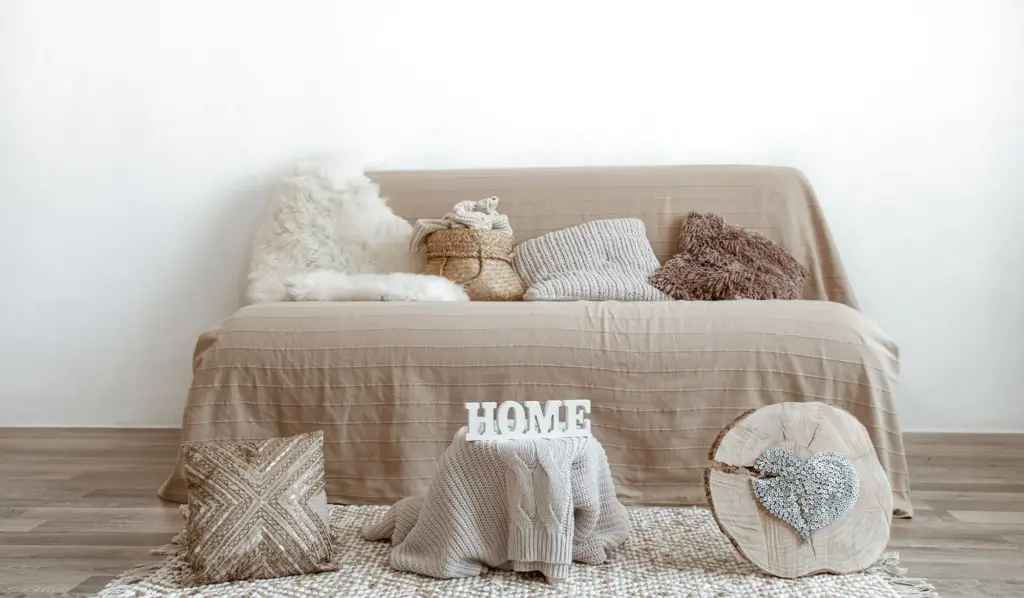
Textures That Invite Restorative Touch
Lean into linen, bouclé, and oiled oak, which breathe, resist static cling, and age handsomely. Add a soft-structured throw that drapes rather than fights. Consider pet-friendly weaves with subtle patterning to disguise life’s evidence. Beauty that welcomes fingertips becomes ritual, slowing evenings and brightening early starts without fuss.
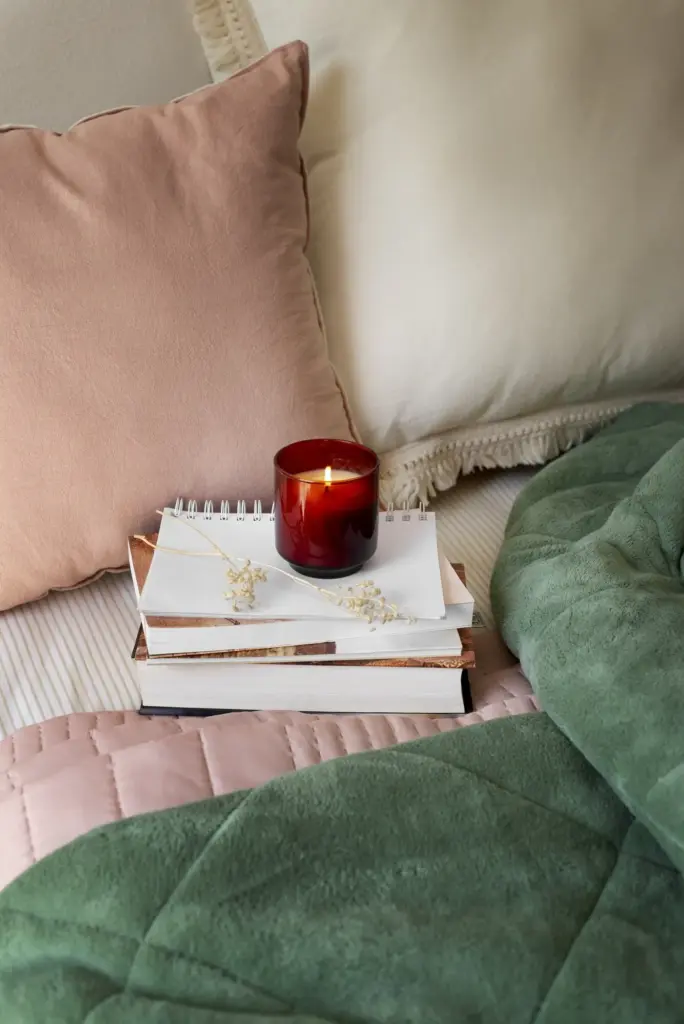
Color Temperatures That Ease Transitions
Blend warm off-whites with softened greens or marine blues that lower arousal while keeping definition. Target higher light reflectance values on walls for brightness, then ground seating with earthier notes. Reserve sparing accents for joy. The psychology is gentle: fewer jolts, steadier breathing, and more forgiving mornings.
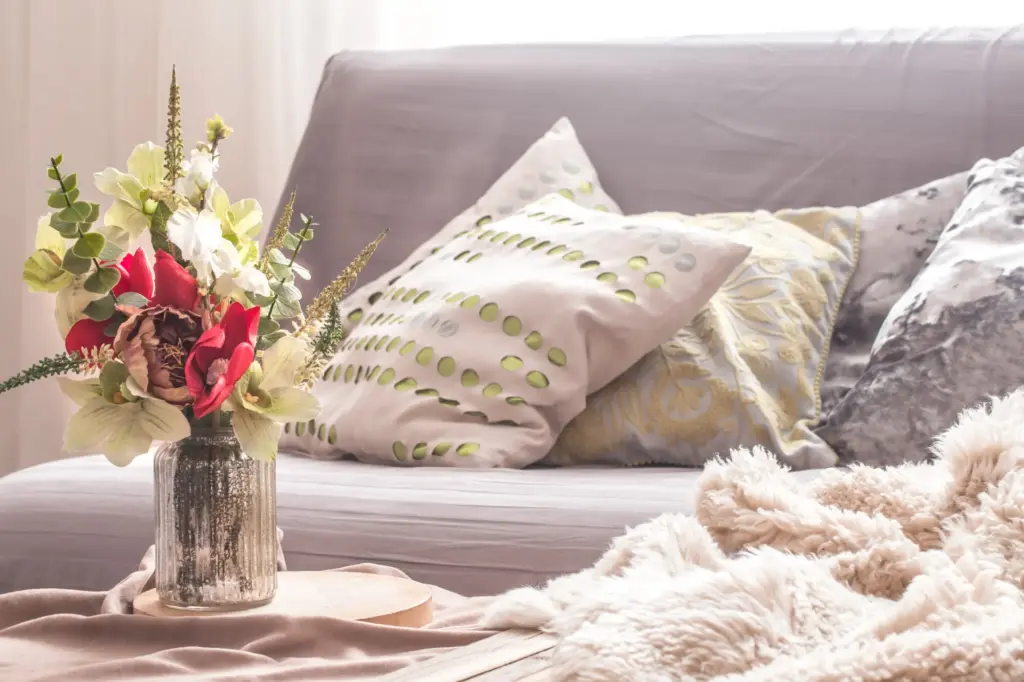
Acoustics Hidden in Plain Sight
Quiet arrives through rugs with dense piles, lined draperies, generous bookshelves, and upholstered panels disguised as art. Even the curvature of sofas softens reflections. Test by clapping before and after adding layers; the difference reveals how soundscapes shape patience, conversation pace, and the willingness to linger longer.
Light, Posture, and the Daily Rhythm
Task Lighting That Partners With Seating
Target 450 to 800 lumens with warm-neutral color around 3000 to 3500 Kelvin and high color rendering (CRI 90+) for honest materials. Adjustable arms respect posture changes. Shade the bulb line from eyes. A clipped reading lamp once cured my couch slouch more reliably than any pep talk.
Daylight Steering Without Eye Strain
Sheer draperies temper glare while bouncing light deeper into the room. Matte finishes near windows prevent hot spots. Aim reflective surfaces to spread brightness laterally, not into faces. With these tweaks, morning sunshine turns from squint-inducing blast into a gentle cue to breathe, stretch, and start steadily.
Evening Wind-Down With Gentle Layers
Dim widely. Let floor washers trace paths, pendants glow like moons, and table lamps soften conversations. Choose warmer temperatures around 2700 Kelvin to tell the nervous system it is safe to release. Comfort grows when light listens to bodies rather than forcing late-night productivity postures.
Flexible Pieces for Evolving Lives
Rooms change as families, schedules, and hobbies shift. Favor modular sofas, nesting tables, leaf-ready dining, adjustable stools, and mobile screens. Choose casters that roll smoothly across your flooring. Favor hardware rated for repeated reconfiguration. Flexibility liberates posture and aesthetics, letting spaces keep rhythm with seasons without constant overhauls.
Modularity That Moves Gracefully
Look for locking connectors, reversible chaises, and sections narrow enough for tight stairwells. Map configurations for conversation, solo reading, and movie nights, then switch easily. A small apartment I styled gained three living moods simply by sliding one ottoman and turning a corner unit ninety degrees.
Storage That Disappears Yet Delivers
Benches with lift seats, slim sideboards on legs, and ottomans with trays hide supplies while preserving airiness. Label baskets for muscle memory. Keep daily-use items within easy reach to discourage awkward stooping. Calm grows when cleanup requires minutes, not rituals, sustaining beauty through actual Monday-to-Friday life.
Measure, Test, Iterate: A Gentle Process
Mockups That Tell The Truth
Trace bed footprints, desk reaches, and swing radii on the floor. Borrow a chair, add a cushion, and test hands on keyboard for thirty minutes. If shoulders creep upward, lower surfaces. If ankles fidget, add foot support. Temporary prototypes reveal permanent comfort more honestly than imagination.
Feedback Rituals With Real People
Invite a friend taller than you and another shorter. Host tea, watch posture, notice fidgeting. Keep a simple scorecard for shoulder ease, knee clearance, and conversational eye contact. Iterate one variable at a time. These rituals prevent overfitting to your body and broaden everyday kindness.
Budget-Savvy Decisions With Soul
Invest in seats and mattresses first, then layer tables, lamps, and storage patiently. Source secondhand frames worth reupholstering, choose low-VOC finishes, and repair rather than replace. Redirect savings into supportive textiles. Your home becomes calmer not by spending more, but by aligning choices with comfort and longevity.
All Rights Reserved.