Make Every Room Breathe: Non‑Toxic, Sustainable Comfort at Home

Today we dive into non‑toxic, sustainable materials that uplift indoor air, nurture wellbeing, and wrap rooms in welcoming comfort. From finishes that skip harsh off‑gassing to textiles harvested with care, discover practical ways to create a healthier, beautifully cozy home you will love. Expect actionable checklists, candid stories, and expert‑backed guidance you can use this weekend, plus invitations to share your progress, questions, and favorite finds with our growing community.

Clear Air, Clear Mind: Paints, Plasters, and Sealants

Small choices on your walls ripple through everything you breathe. Switching to truly careful coatings can lower headaches, improve sleep, and remove that stubborn paint smell guests politely ignore. We will compare labels, highlight trusted certifications, and translate confusing jargon into steps you can actually take. Join the conversation in the comments with photos of your refreshed room, and ask for product swaps matched to your climate, budget, and style so everyone learns together.

Floors You Can Feel Good About

What you walk on anchors every ritual at home, from quiet mornings to joyful gatherings. Safer floors marry comfort, durability, and honest sourcing, reducing formaldehyde and flimsy finishes that wear out fast. We will weigh trade‑offs, uncover responsible labels, and explore maintenance so beauty deepens with age. Tell us about your climate, pets, and daily traffic, and we will propose combinations that balance resilience, acoustics, and that irresistible barefoot feeling you crave year‑round.

Textiles that Hug, Not Harm

Sheets and Towels that Breathe with You

Organic cotton, linen, and lyocell from responsibly managed wood pulp balance breathability and drape, helping you sleep cooler and wake fresher. Avoid heavy wrinkle‑resist or antimicrobial coatings you do not truly need. Pre‑wash new textiles to remove finishing agents, then line dry when possible for a softer hand. Curious about percale versus sateen for your climate? Ask below and we will match fiber, weave, and weight to your bedtime rhythms and budget.

Window Treatments that Calm Light, not Lungs

Sunlight shapes mood, and gentle fabrics make it kinder without relying on vinyl that can release unpleasant compounds. Choose linen, cotton, or wool blends on simple metal hardware and avoid unnecessary flame retardants by confirming local code requirements. Liner choices affect insulation and glow, so sample at home during morning and evening. Share a video of how your curtains move with drafts and we will help tailor fullness, stacking, and hem weights beautifully.

Cushions, Throws, and Filling Choices

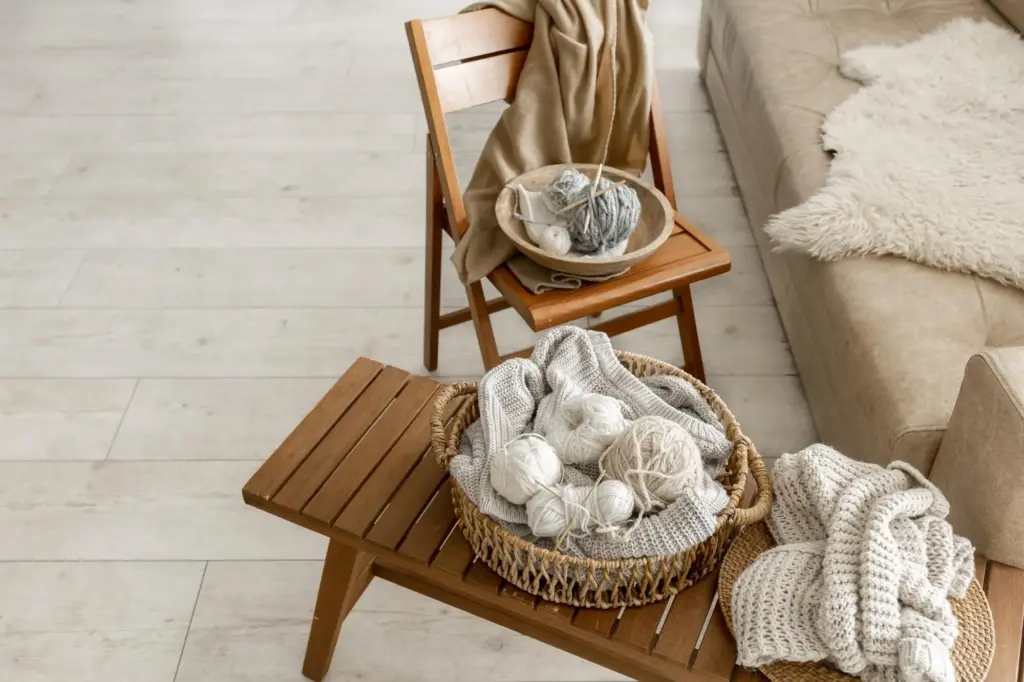
Your favorite reading chair deserves fillings that support without off‑gassing. Consider natural latex, wool batting, kapok, or responsibly sourced down, and use zippered covers for easy washing. Skip added flame retardants where not mandated and verify claims from trustworthy suppliers. Mix chunky knits with smooth weaves for visual depth and cozy temperature control. Tell us how your household lounges and we will suggest densities, sizes, and care rhythms to keep cushions cloudlike longer.

Furniture and Finishes Built to Last

Longevity is the greenest feature many homes miss. Thoughtfully made pieces outlive trends, off‑gas less, and gather stories with every scratch you choose to keep. We will compare joinery, wood species, and finish systems that welcome repair over replacement. Bring questions about vintage finds, family heirlooms, or modular designs that adapt to moves. Our readers love brainstorming durable finishes, child‑friendly edges, and routines that make Sunday touch‑ups feel peaceful instead of overwhelming.

Insulation and Building Materials that Work with Nature

Behind the walls, breathable assemblies and bio‑based materials quietly influence comfort, acoustics, and resilience. When buildings manage moisture gracefully, they resist mold and feel steady through seasons. We will demystify options, flag common detailing mistakes, and share real‑world costs and comforts from readers who upgraded. If you are renovating or building, describe your climate and wall depth in the comments so peers can suggest combinations that meet codes while keeping interiors delightfully calm.

Warmth from Wool, Cellulose, and Wood Fiber
Sheep’s wool can buffer humidity and even bind certain aldehydes, while dense‑pack cellulose delivers excellent air sealing with recycled content. Wood‑fiber boards add insulation and acoustic kindness, especially in retrofit facades. Details matter: integrate vapor‑open layers, continuous air barriers, and smart membranes where needed. Share your attic access and existing assemblies, and we will help prioritize steps that deliver real comfort gains before the next heating or cooling season arrives.

Hemp‑Lime, Straw, and Clay: Breathable Envelopes

Hemp‑lime, straw bale, and clay plasters create walls that moderate moisture and temperature with minimal embodied toxicity. They demand thoughtful engineering, correct foundations, and careful protection from bulk water, yet reward you with serene acoustics and forgiving indoor climates. Consider supply chains and local craft skills before committing. Curious what this feels like in July humidity or January cold? Ask an owner in the comments for candid performance notes you will not find in brochures.

Cork, Bamboo, and Recycled Aggregates

Cork panels insulate and quiet, bamboo grows fast but needs verified low‑emission resins, and recycled glass or fly‑ash blends can improve certain concretes with context‑aware design. Always check Environmental Product Declarations for embodied impact and emission data. Combine structural pragmatism with finishes you will maintain happily. Tell us about your project scale and schedule, and we will help assemble a materials palette that balances uptime, safety, cost, and architectural character beautifully.

Care, Cleaning, and Daily Rituals

Non‑Toxic Cleaning Staples that Actually Perform

Simple soap, diluted vinegar for minerals, baking soda for mild abrasion, and hydrogen peroxide for targeted sanitizing handle most chores without synthetic fragrance clouds. Patch test finishes, use microfiber thoughtfully, and ventilate as you work. Store concentrates safely away from children and pets. Have a stubborn grout line or greasy range hood filter? Drop your scenario below and we will suggest measured, material‑respecting steps before resorting to anything harsher or expensive.

Moisture, Dust, and Ventilation Routines

Aim for indoor humidity around forty to sixty percent, using bath fans, range hoods, and dehumidifiers where climate demands. Capture dust at entry with layered doormats, then follow with weekly HEPA vacuuming and damp dusting. Houseplants help mood but not full filtration, so prioritize fresh air. If allergies spike seasonally, share your layout and schedule, and we will craft a gentle rhythm that balances open windows, filters, and restful, quiet evenings.

Seasonal Checks that Protect Materials and Health

Set quarterly reminders to re‑oil wood, inspect caulk lines, test smoke and carbon monoxide alarms, and replace filters before they clog. Wash curtains, beat rugs outdoors, and freeze woolens to deter moths without harsh mothballs. Photograph wear spots and plan small repairs proactively. Tell us which tasks you dread and we will suggest streamlined kits, playlists, and micro‑rituals that turn maintenance into a satisfying, light workout with visible, cozy payoffs.